
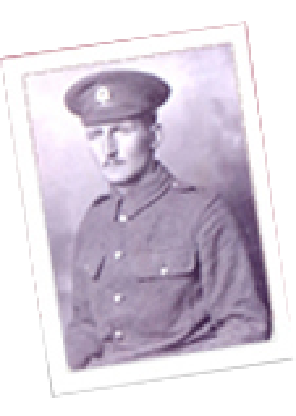
- First Name(s):ConstanceLilian
- Surname:ARNOTT
- Service Number:Unknown
- Rank:
Sister
- Conflict:WW2
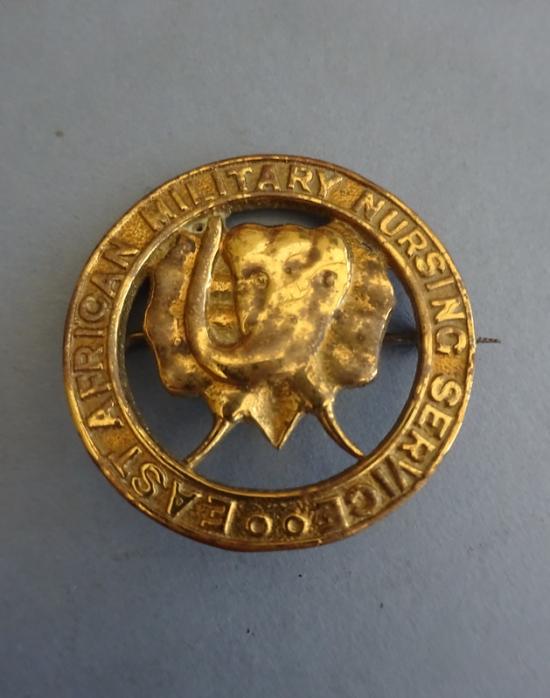
- Nursing Service:East African Military Nursing Service
- Nationality:South African
- Date of Death:12th February 1944
- Age At Death:43
- Cause of Death:Enemy action
- Place of Burial:East Africa Memorial
Further Information About ARNOTT Constance Lilian
Constance Arnott was born in Queenstown, Cape Colony, South Africa on the 10th December 1900, the daughter of Sidney Nathaniel and Lucretia Maria Arnott, nee Coleman. She had at least 1 sister, Stella born in 1902, and 1 brother, Laurence, born in 1907. Their father died in 1924. Constance was Gold Medallist of the Cape Medical Council Examinations in 1923 and by 1931 she held the position of Sister-in-Charge of Salisbury Native Hospital.
It is not known when Constance enlisted in the East African Military Nursing Service. Like her British counterparts, she has no known grave but the sea so she is commemorated on the East Africa Memorial in Kenya on column 73 along with 4 of her fellow nurses who also perished during the sinking of the SS Khedive Ismail.
The steamship Khedive Ismail sailed from Mombasa, Kenya on the 6th February 1944. Bound for Colombo, Ceylon, she was carrying 1,324 passengers including 996 members of the East African Artillery’s 301st Field Regiment, 271 Royal Navy personnel, 19 WRNS, 53 nursing sisters and their matron, nine members of the First Aid Nursing Yeomanry and a war correspondent, Kenneth Gandar-Dower. She was part of Convoy KR 8 consisting of five troop transports escorted by a heavy cruiser, HMS Hawkins, and two destroyers, HMS Paladin and HMS Petard.

SS Khedive Ismail
Copyright Unknown
Early in the afternoon of the 12th February she was hit by two torpedoes from the Japanese submarine I-27, causing the ship to sink in less than 3 minutes with heavy loss of life including 51 nurses who died as a result of the attack. The troop ship had sunk too quickly to launch any lifeboats, but her Carley floats floated free and some survivors were able to board them. The submarine having been forced to the surface engaged in a battle with the two destroyers before submerging again and taking refuge beneath the survivors. The destruction of a submarine that might sink more ships took precedence over the lives of survivors so the battle continued with the destroyer HMS Petard attacking first with depth charges, then shellfire and finally torpedoes. The depth charge fuses had to be set to detonate at the shallowest depth, and they killed or wounded many people who had survived the initial sinking. The submarine was eventually sunk by a torpedo fired from the destroyer resulting in the loss of all onboard.
Initially the British army nurses were posted as ‘Missing’ on the British Army Casualty List. However, this was later amended to ‘Previously reported Missing 12.2.44 now Presumed Killed in Action.
With no known grave but the sea the QAIMNS nurses who lost their lives on that fateful day are all commemorated on Panel 22 of the Brookwood 1939 – 1945 Memorial in Surrey.
If you have any information about ARNOTT Constance Lilian, please get in touch
Information AboutARNOTT Constance Lilian