
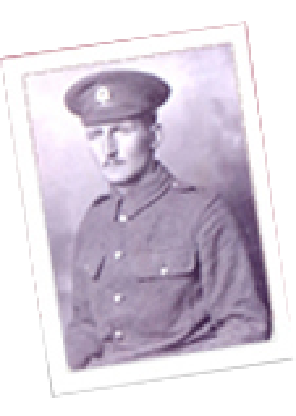
- First Name(s):Charles
- Surname:WHITLEY
- Service Number:Unknown
- Rank:
Captain
- Conflict:WW1
- Service:Army
- Army Sector:Infantry
- Regiment:King's Royal Rifle Corps
- Battalion:7th Battalion
- Former Units:None
- Date of Death:11th April 1917
- Age At Death:28
- Place of Death:Unknown
- Place of Burial:Hibers Trench Cemetery, Wancourt, France, Grave C. 15.
- Place of Birth:Halewood, Liverpool
- Home Town:Unknown
- Casualty's Relatives:
Son of Mr Ed and Elizabeth Eleanor Whitley, of Primley, Paignton, Devon

WHITLEY Charles Is Named On These Memorials
Notes About The Memorial(s) Listed Above
Additional information on the memorial: M.C. Capt.
Further Information About WHITLEY Charles
Awarded Military Cross.
Charles Whitley attended Bromsgrove School from 1899 to 1906. He was Head of School House and played in the XV team. Whitley was one of three Bromsgrove brothers; he came as a small boy and rose to be very influential in the School. He won an open scholarship for Science at Balliol and on taking degree, resided for a year at the University Settlement, in Liverpool. His interest in social questions was deep and he was eager to assist in the progress of the working classes. In 1914 he was farming in Cheshire and joined one of the Public School Battalions of the Royal Fusiliers, obtaining a commission the following year in the K.R.R.C. He first went out to France in the summer of 1915 and with two short intervals due to being twice wounded, he served continuously there until his death, for a larger part of the time in the Ypres salient. In October 1916 he was strongly recommended for the D.S.O. in consequence of his fine handling of his company in a difficult position and was awarded the Military Cross. Although shot in the arm he remained in command of his company, advanced with it and captured and consolidated the enemy trench; he remained on duty twelve hours after being hit, until relieved. He fell in the great Easter advance, leading his men. Though he was nothing of a soldier by taste, his fearlessness, swiftness of judgement, quick brain and resourcefulness made him a very fine officer, trusted and valued equally by his men as by his military superiors.
Source: Bromsgrove School at War 1914-19 by Philip Bowen and Bromsgrove School at War 1914-19 by David Cross.
If you have any information about WHITLEY Charles, please get in touch
Information AboutWHITLEY Charles