
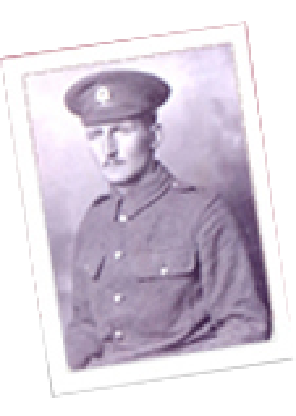
- First Name(s):ReginaldEric
- Surname:HARBON
- Service Number:DJX127118
- Rank:
Chief Yeoman of Signals
- Conflict:WW2
- Service:Navy
- Naval Service:Royal Navy
- Ship:HMS Neptune
- Former Units:None
- Date of Death:19th December 1941
- Age At Death:32
- Cause of Death:Killed in action
- Place of Death:Unknown
- Place of Burial:Commemorated on Plymouth Naval Memorial, Devon, England, Panel 50, Column 1.
- Place of Birth:Hallow, enlisted Upton upon Severn
- Home Town:Unknown
- Casualty's Relatives:
Son of Mr. and Mrs Walter John Harbon; Husband of Margery Ethel Harbon of Redditch
An Image Of this Grave Is Available To Order
Order Grave's Image

HARBON Reginald Eric Is Named On These Memorials
Notes About The Memorial(s) Listed Above
Earls Croome War Memorial as Eric Harbon.
Hanley Castle Grammar School now Hanley Castle High School WW2 Memorial as E. Harbon.
Further Information About HARBON Reginald Eric
HMS Neptune was a cruiser. On the night of 19th December 1941 she ran into an uncharted minefield off the coast of Tripoli and sank with the loss of 763 Officers and Men.
Commemorated on the Neptune and Kandahar Memorial at the National Memorial Arboretum, Alrewas.
Listed on the Neptune Association website: http://www.hmsneptune.com
A letter from Reginald’s wife, Mrs M.E. Atkinson, 18 Willow Way, Redditch, dated 14th February 1950 can be found within war records held at Worcestershire Archives requesting that his name be added to the county roll of honour. The letter states that Reginald Eric Harbon, Chief Yeoman of Signals, Royal Navy was killed on 19th December 1941.
The following information has been researched and transcribed by Mick Wilks:
HMS Neptune was a ‘Leander Class’ Cruiser, displacing 7,270 tons, with 6 inch guns as main armament. Neptune was part of ‘Force K’, a task force created at the behest of Winston Churchill in August 1941 and comprising both cruisers and destroyers. Based in Malta, its purpose was the interdiction Italian merchant shipping taking military supplies and men to Libya. In its first action, at night, on 8th November, Force K was able to sink a convoy of ten merchant ships and one of the destroyer escorts, damaging a second destroyer. Two oil tankers were sunk by the Force later in November. In a message sent to the Commander, Force K, on 27th November, Winston Churchill asked for his congratulations to be given to all ranks and ratings on the two actions which had ‘played a very definite part in the great battle now raging in Libya’. He went on to say that…’The work of the force has been most fruitful, and all concerned may be proud to have been a real help to Britain and our cause’.
On 18th December, news was received that another enemy convoy was heading for Tripoli, and Force K was sent to catch it. Approaching Tripoli, the cruisers Neptune, Aurora and Penelope, with four destroyers, ran into a new minefield and all the cruisers were damaged, Neptune particularly so. The destroyer Kandahar entered the minefield to rescue the crew of Neptune, but she too struck a mine and became helpless. Neptune, drifting amongst the mines struck two more and sank. Of the 700 crew, only one man survived to become a prisoner of war, after four days on a raft. On the same raft, the Captain and thirteen others perished. Since Reginald Harbon died during the day following the action off Tripoli, it seems likely that he was one the men on the raft.
Source: ‘The Second World War – Volume Three – The Grand Alliance’ by Winston Churchill, 1952.
Reginald Harbon has no known grave, the photograph available shows his name on Plymouth Naval Memorial.
If you have any information about HARBON Reginald Eric, please get in touch
Information AboutHARBON Reginald Eric
Credits: Researched by Brian Hill. HMS Neptune and Worcestershire Archives information researched by Sandra Taylor.