
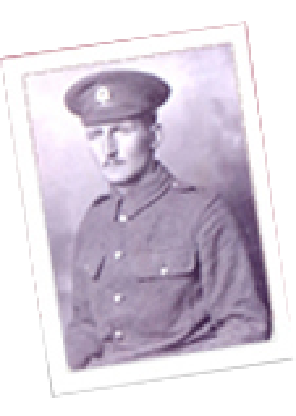
- First Name(s):James
- Surname:GREEN
- Service Number:25649
- Rank:
Private
- Conflict:WW1
- Service:Army
- Army Sector:Infantry
- Regiment:Worcestershire Regiment
- Battalion:14th Battalion
- Former Units:None
- Date of Death:30th October 1917
- Age At Death:
- Cause of Death:Killed in action
- Place of Death:Unknown
- Place of Burial:Commemorated on Tyne Cot Memorial, Belgium, Panel 75 to 77.
- Place of Birth:Areley Kings, Worcestershire, resident Bewdley, Worcestershire, enlisted Worcester
- Home Town:Unknown
- Casualty's Relatives:Unknown
An Image Of this Grave Is Available To Order
Order Grave's Image

GREEN James Is Named On These Memorials
Notes About The Memorial(s) Listed Above
Additional information on the memorial: Pte. Wor. R.
Further Information About GREEN James
The 14th (Service) Battalion (Severn Valley Pioneers) was formed at Worcester on 10th September 1915, by Lieutenant-Colonel. H. Webb, MP. On 21st June 1916 the Battalion landed in France and was attached to the 63rd Division.
“…On October 24th 1917 the Headquarters of the Battalion were shifted forwards from Elverdinghe across the canal to La Brique, just north of Ypres. To assist the work of preparation, whole battalions were being brought up from the quieter areas to furnish working parties in the Salient, and on the following day the 14th Battalion was joined at Ypres by the 2nd Battalion of the Regiment…
…That same day (October 26th), witnessed the opening of the final attack on the Passchendaele Ridge. To the working parties of the 2nd and 14th Worcestershire the commencement of the battle meant simply that the enemy’s shell-fire grew heavier than before. The camps near Ypres were easily spotted, and were shelled daily by long-range high-velocity guns. (Captain H.G. Roberts and several of his men were hit by shells bursting actually in the camp).
The enemy aeroplanes also made great efforts to hamper the British advance by nightly bombing of railways and dumps. The full moon of the night of October 29th gave the airmen an aid of which they took full advantage, and Ypres and its surroundings were heavily bombed. The 2nd Worcestershire fortunately suffered no loss, but a big bomb wrecked a hut in the camp of the 14th Worcestershire just north of the city, killing 5 men and wounding 14. Another bomb struck an ammunition dump, and disaster was only averted by the prompt action of Lieut. G.A. Porterfield. The dump was burning, and shells were exploding in all directions, but the subaltern, heedless of his own peril, threw water on to the fire until at last it was extinguished (Lt. Porterfield was awarded the Military Cross for this action).
Throughout that fortnight of battle the working parties of the 14th Worcestershire (the 63rd Royal Naval Division to which the 14th Worcestershire properly belonged, was engaged in the final battle on the Passchendaele Ridge, and the Worcestershire Pioneers then worked under the orders of the Divisional C.R.E. Previously, the Battalion had been directly under Corps Headquarters.) laboured continuously behind the lines, with continual losses from shell-fire, gas, and bombs (Total casualties for the 14th Worcestershire, October 26th – November 10th:- 18 killed, 2 officers (Captain H.G. Roberts and 2/Lt A. Hennel) and 72 other ranks wounded)…”
Source for additional information: The Worcestershire Regiment in the Great War by Captain H. FitzM. Stacke of the Regiment., 1928. p.299
James Green has no known grave, the photograph available shows his name on Tyne Cot Memorial.
If you have any information about GREEN James, please get in touch
Information AboutGREEN James
Credits: Additional information researched and transcribed by Simon Fielding.