
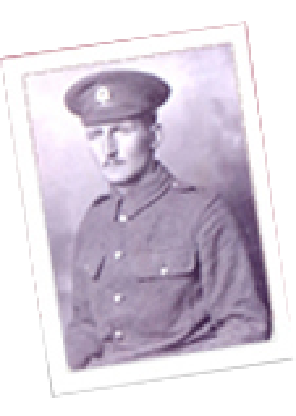
- First Name(s):Albert
- Surname:FARMER
- Service Number:18724
- Rank:
Private
- Conflict:WW1
- Service:Army
- Army Sector:Infantry
- Regiment:Worcestershire Regiment
- Battalion:2nd Battalion
- Former Units:None
- Date of Death:4th June 1915
- Age At Death:37
- Cause of Death:Died of wounds
- Place of Death:Unknown
- Place of Burial:Stourbridge (Lye and Wollescote) Cemetery, Worcestershire, England, Grave D. I. 24.
- Place of Birth:Lye, Worcestershire, resident Bromsgrove, Worcestershire, enlisted Worcester
- Home Town:Unknown
- Casualty's Relatives:
Son of Joseph and Caroline Farmer

FARMER Albert Is Named On These Memorials
Further Information About FARMER Albert
Albert Farmer was the son of Joseph and Caroline Farmer of Vicarage Road, Lye. He volunteered in September 1914 and went to the 2nd Battalion on the Western Front in January 1915. They were stationed near Armentières and took their turn with duties in the front line. The winter was severe but there were no major attacks until March. At Neuve Chapelle the 1st Battalion was involved and in May it was the turn of the 2nd Battalion to attack the German lines. At Festubert on the 15th May a night attack was undertaken. Most of the Worcesters reached the enemy trenches but the artillery bombardment had failed to cut the wire. Losses were heavy and included Private Albert Farmer who suffered severe shrapnel wounds to both legs. He was sent back to a hospital in Cardiff and there he died on the 4th June.
The following extract is taken from the WW1 Commemorative Book, ‘The Lost Twenty Nine’ by Jean Weston and Marlene Price and is courtesy and copyright of West Midlands Historic Buildings Trust 2014:
The funeral of Private Albert Farmer on 9th June 1915 was the second military one to take place within 8 days. Albert was one of the thirteen children of Joseph and Caroline Farmer, seven of whom had died before 1911. He was wounded by shrapnel on 17th May resulting in the amputation of one of his legs. On returning to England he was admitted to a hospital in Cardiff for continuing treatment but he died as a result of his wounds on 4th June. His body was brought back to Lye and he was buried with full military honours in the same grave as his mother, Caroline, who had died two years earlier in 1913.
Further information relating to the cemetery and other casualties buried there can be found in The Lost Twenty Nine, available to purchase from the authors, Waterstones and W.H. Smith at Merry Hill Shopping Centre, Ashwood Nurseries and The Black Country Museum.
If you have any information about FARMER Albert, please get in touch
Information AboutFARMER Albert
Credits: Researched by The Black Country Society.