
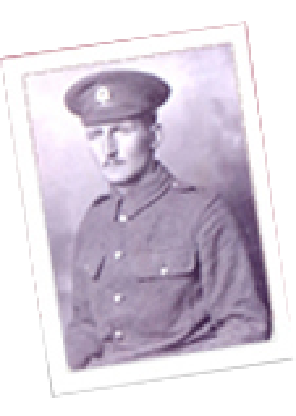
- First Name(s):Stanley
- Surname:EDEN
- Service Number:1740049
- Rank:
Sergeant/Flight Engineer
- Conflict:WW2
- Service:Air Force
- Air Force:Royal Air Force Volunteer Reserve
- Air Force Unit:420 (Royal Canadian Air Force) Squadron
- Former Units:None
- Date of Death:26th February 1944
- Age At Death:19
- Place of Death:Unknown
- Place of Burial:Durnbach War Cemetery, Germany, Grave 4. G. 26.
- Place of Birth:Unknown
- Home Town:Unknown
- Casualty's Relatives:
Son of Lewis James Eden and Ada Emily Eden, of Worcester

EDEN Stanley Is Named On These Memorials
Further Information About EDEN Stanley
Appears on the Royal Air Force casualties list for Worcestershire.
Berrow’s Worcester Journal, Saturday 18th March 1944:
Sergeant Stanley James Eden (R.A.F.), eldest son of Mr and Mrs L.J. Eden, 30, Perdiswell Street, Barbourne, Worcester, and formerly employed at Archdales, is missing from a raid.
A letter from Stanley Eden’s father, L.J. Eden, 30 Perdiswell St, Barbourne, Worcester, dated March 1952 can be found within war records held at Worcester Archives requesting that his name be added to the county roll of honour. The letter states that he was a Sergeant in the Royal Air Force, service no 1740049.
The following information has been researched by Geoff Hill:
In 1939 Stanley Eden was living at 30 Perdiswell Street, together with his parents Lewis and Ada (nee Young) and three siblings.
No. 420 “City of London” Squadron was a squadron of the Royal Canadian Air Force (RCAF). The Squadron’s nickname was “Snowy Owl”. Their motto was Pugnamus Finitum, Latin for We Fight To The Finish.
The Squadron was formed at Waddington, Lincolnshire on the 19th December 1941. During World War II, the unit flew Manchester, Hampden, Wellington, Halifax, and Lancaster aircraft on strategic and tactical bombing operations. From June to October 1943 it flew tropicalized Wellington aircraft from North Africa in support of the invasions of Sicily and Italy. In April 1945 they converted to Lancasters. No. 420 Squadron is no longer active.
The great majority of those buried in Durnbach War Cemetery are airmen shot down over Bavaria, Wurtemberg, Austria, Hessen and Thuringia, brought from their scattered graves by the Army Graves Service. The remainder are men who were killed while escaping from prisoner of war camps in the same areas, or who died towards the end of the War on forced marches from the camps to more remote areas.
If you have any information about EDEN Stanley, please get in touch
Information AboutEDEN Stanley