
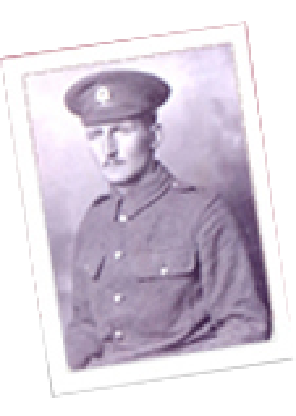
- First Name(s):ErnestGeorge
- Surname:COLLINS
- Service Number:325116
- Rank:
Lance Corporal
- Conflict:WW1
- Service:Army
- Army Sector:Cavalry
- Corps:Imperial Yeomanry
- Regiment:Queen's Own Worcestershire Hussars (Worcester Yeomanry)
- Former Units:None
- Date of Death:23rd April 1919
- Age At Death:
- Cause of Death:Killed in action
- Place of Death:Unknown
- Place of Burial:Commemorated on Jerusalem Memorial, Israel, Panel 3 and 5.
- Place of Birth:Born Holy Cross, Pershore, resident Pershore, enlisted Worcester
- Home Town:Unknown
- Casualty's Relatives:Unknown

COLLINS Ernest George Is Named On These Memorials
Notes About The Memorial(s) Listed Above
Worcester Cathedral Worcestershire Hussars with the additional information: Lance Corporal.
An Ernest Collins is listed on Worcester St Stephen’s Church memorial, this individual is suggested as a possible casualty.
Further Information About COLLINS Ernest George
Private E.G. Collins 1st/1st Worcester Yeomanry, embarked at Avonmouth 9th April 1915 for service with the Mediterranean Expeditionary Force, disembarked at Alexandria, Egypt on 24th April 1915. Killed in action 23rd April 1916.
Source for additional information: The Yeomanry Cavalry of Worcestershire 1914 – 1922.
The following information has been researched by Geoff Hill:
1911 Census
Holloway, Pershore
Ernest Collins, aged 21, tin moulder
At the same address: Harriet (mother) garden worker and 1 brother.
At the outbreak of the First World War, Palestine (now Israel) was part of the Turkish Empire and it was not entered by Allied forces until December 1916. The advance to Jerusalem took a further year.
The Queen’s Own Worcestershire Hussars was a Yeomanry regiment of the British Army which participated in World War I as horsed cavalry. The Regiment was sent to Egypt in January 1916, where their casualties were replaced by fresh troops from England and the Regiment was sent to protect the eastern side of the Suez Canal. The Regiment dug wells and sent out patrols for reconnaissance to establish the location of the Turkish attack, the Regiment being responsible for patrolling the whole of the Qatia water area.
The small isolated garrison at Oghratine had been ordered to protect a party of engineers on a well-digging expedition, when at dawn on 23rd April 1916, 3,000 Turkish troops, including a machine gun battery of 12 guns, attacked. The defending troops repulsed the first attack but were forced back by the weight of the onslaught. The defenders’ only machine gun was put out of action early in the attack and all the gunners were killed or wounded
If you have any information about COLLINS Ernest George, please get in touch
Information AboutCOLLINS Ernest George