
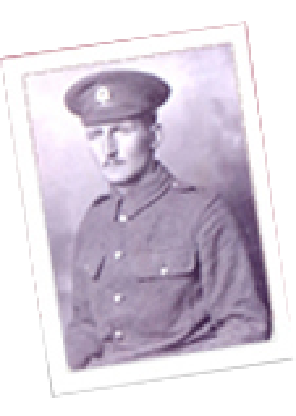
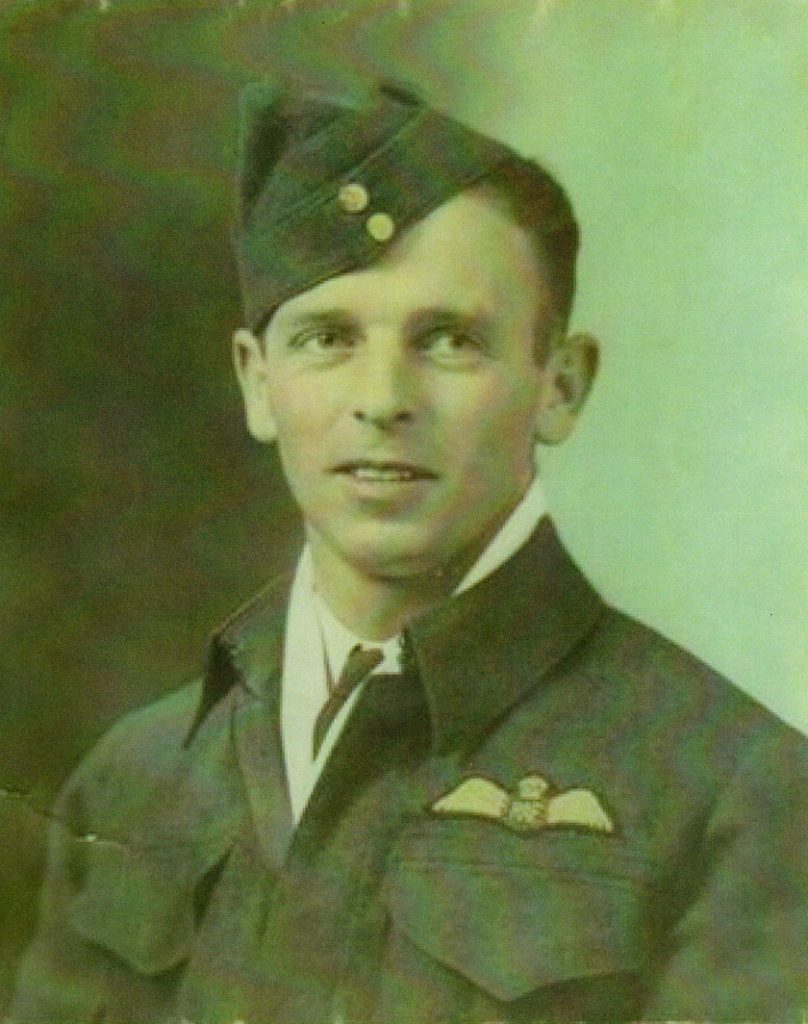
- First Name(s):CharlesRobertGaudet
- Surname:LONG
- Service Number:R157864
- Rank:
Sergeant/Pilot
- Conflict:WW2
- Service:Air Force
- Air Force:Royal Canadian Air Force
- Former Units:None
- Date of Death:9th November 1943
- Age At Death:
- Place of Death:Unknown
- Place of Burial:Pershore Cemetery, Worcestershire, England, Plot Q. Grave 389.
- Place of Birth:Unknown
- Home Town:Unknown
- Casualty's Relatives:Unknown
An Image Of this Grave Is Available To Order
Order Grave's Image
LONG Charles Robert Gaudet Is Named On These Memorials
Notes About The Memorial(s) Listed Above
Rowney Green Canadian Aircrew Memorial with the additional information: Sgt
Further Information About LONG Charles Robert Gaudet
Most information about Charles Long was found due to contact with his first cousin once removed Jan Penrose from Australia, who found the reference to Charles on the internet and wrote to ‘The Village’ magazine. Charles who died within weeks of his 27th birthday was born in Alberta, Canada but had moved to California before returning to Canada to enlist.
Additional information courtesy and copyright of Veronica Ingram and Anne Humphries.
Sergeant Charles Robert Long, age 26, serving with the Royal Canadian Air Force was buried in consecrated ground in Pershore Cemetery on 13th November 1943. The ceremony was performed by the Reverend H. Crawford Scott.
Register of Burials in War Graves in Pershore Cemetery courtesy of Pershore Town Council.
The following is an extract from a letter from Delwyn Griffith, Midland Aircraft Recovery Group which was printed in The Village magazine, December 2010:
The story of the crash is as follows: At 18.38 hours, Wellington X3932 of 30 Operational training Unit took off from its base at Pershore on a routine training exercise manned by its newly-formed pupil crew from The Royal Canadian Air Force.
By 19.40 hours, the exercise had been successfully completed and X3932 was on its landing approach to Pershore.
At this point the aircraft’s port engine failed. Unable to make a safe landing, the pilot opted to overshoot and continued to fly northward. A Wellington could not maintain height on one engine and as the aircraft was already below the altitude from which a safe parachute descent could be made, something had to be done.
The pilot, therefore, began a turn to starboard, but too much air speed had been lost and drag from the failed engine whipped the aircraft into a vicious turn to port causing it to stall and dive into the ground at 19.49 hours.
The aircraft fell starboard wing low and such was the force of the impact that the starboard engine was driven nine feet into the ground. Fuel tanks burst and the wreck caught fire immediately, burning petrol setting fire to a nearby hayrick.
First on the scene were members of the Home Guard led by Mr Craner, of Rowney Green. There was nothing they could do for the crew who had all been killed on impact so they attempted to contain the fire until the arrival of the National Fire Service.
The inscription on Rowney Green Memorial reads:
THIS MAPLE TREE WAS PLANTED TO REMEMBER
[Names]
OF THE ROYAL CANADIAN AIR FORCE WHO LOST THEIR
LIVES WHEN THEIR WELLINGTON BOMBER CRASHED
AT ROWNEY GREEN ON 9 NOV 1943
“WE WILL REMEMBER THEM”
Alvechurch Ex Services Association 2007.
If you have any information about LONG Charles Robert Gaudet, please get in touch
Information AboutLONG Charles Robert Gaudet